
How to Choose a Flu Shot for Kids (2026)
At what age can a child receive a flu vaccine?
Children can receive seasonal influenza vaccination starting at 6 months of age. Babies younger than 6 months cannot receive it themselves, so ask the pediatrician how to reduce their exposure risk.
Does every child under 9 need two flu shot doses?
No. Some children under 9 need two doses, particularly when they have not previously received enough influenza vaccine. A clinician should review the child’s vaccination history and advise you.
Can my child get the flu after vaccination?
Yes, vaccination does not prevent every infection. It can still reduce the risk of influenza and may reduce the severity of illness. Other respiratory viruses can also cause flu-like symptoms.
What should I do if my child feels sore after the shot?
Soreness, redness, tiredness, headache, or a low-grade fever can occur. Monitor your child and ask the pediatrician which comfort measures are appropriate. Call if symptoms concern you.
Where can Columbia families ask about vaccination?
Kenneth M. Klebanow & Associates provides pediatric care for infants, children, and adolescents in Columbia, MD. The practice offers preventive care, sick visits, newborn care, behavioral health support, and asthma education.
A flu shot for kids is recommended every year for children 6 months and older because flu viruses change and protection decreases over time. Annual vaccination lowers the risk of influenza and serious complications, while some children under age 9 may need two doses in their first vaccination season.
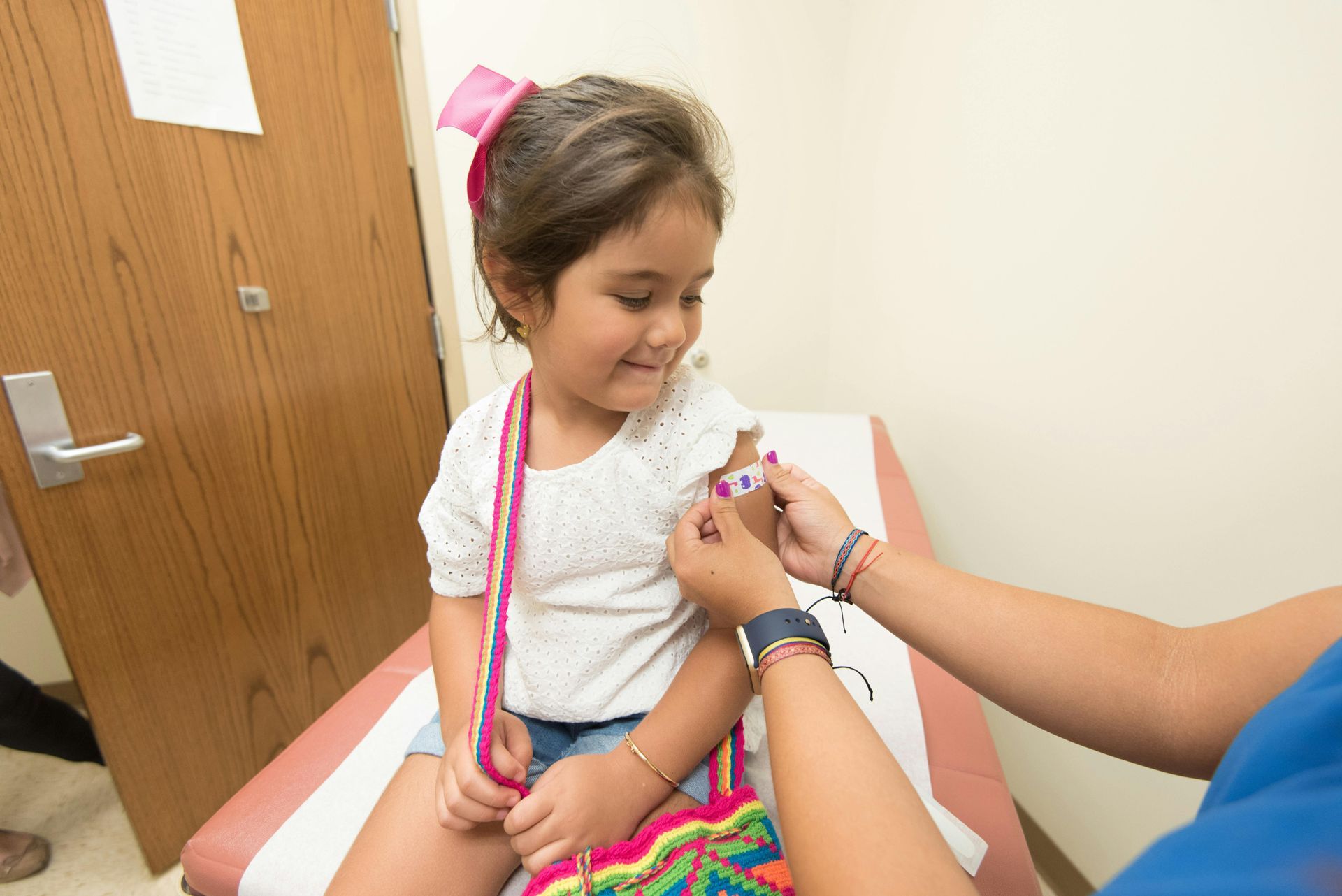
Why Do Kids Need a Flu Shot Every Year?
Influenza is not the same from one season to the next. Flu viruses evolve, and the vaccine is reviewed and updated as needed. In addition, the body’s protection can decrease over time. A yearly flu vaccine helps provide protection during the current flu season.
Vaccination also helps protect the wider family and community. This matters especially when children spend time with infants, older adults, or people with health conditions that can make influenza more dangerous.
The flu vaccine does not guarantee that a child will never get influenza. However, it can reduce the likelihood of illness and may make infection less severe if illness occurs. Ask your child’s pediatrician which vaccine option and timing are appropriate.
Which Children Can Get a Flu Vaccine?
Children 6 months and older are eligible for seasonal influenza vaccination. Babies younger than 6 months are too young to receive the flu vaccine, so protecting them depends partly on vaccination for eligible household members and caregivers.
Parents can discuss vaccination during a well visit or sports physical , an immunization appointment, or another visit.
Why Are Some Kids Under 9 Given Two Doses?
Some children younger than 9 need two flu vaccine doses during a season if they have not previously received enough influenza vaccine. The first dose introduces the immune system to the vaccine, while the second helps build a stronger response.
The doses are generally separated by at least four weeks. Whether a child needs one dose or two depends on age and vaccination history, so bring your child’s records or ask the pediatrician to review them. Do not assume that every child under 9 needs two doses—or that every child needs only one.
A Simple Parent Checklist
- Ask whether your child needs one dose or two.
- Share your child’s previous flu vaccination history.
- Schedule early enough to complete a two-dose series when needed.
- Plan for a few hours of extra comfort and observation after vaccination.
- Call the office if you have questions about symptoms or timing.
What Are Common Flu Shot Side Effects in Kids?
Most vaccine side effects are mild and temporary. A child may have:
- Soreness, redness, or swelling where the shot was given
- A low-grade fever
- Tiredness
- Headache
- Muscle aches or general fussiness
These effects usually improve on their own. The injected flu vaccine cannot give a child influenza. A child may still become ill after vaccination because protection is not immediate, because another virus causes symptoms, or because no vaccine is completely effective.
If your child feels uncomfortable, ask the pediatrician what comfort measures are suitable. Use medicine only as directed by your child’s clinician or reliable dosing guidance, such as the practice’s information about medicine dosages .
Can a Flu Shot Give My Child the Flu?
No. A flu shot cannot cause influenza. The injectable vaccine uses flu components that cannot produce an influenza infection. Mild soreness or fever after vaccination is different from having the flu and generally passes quickly.
Influenza can cause more significant illness than a brief vaccine reaction. Children may develop fever, cough, sore throat, body aches, fatigue, or other symptoms. Some children are at greater risk for complications, including those with certain chronic conditions. Parents should ask about individual risk, particularly if a child has asthma or another ongoing medical concern.
When Should Parents Call the Pediatrician?
Contact your pediatrician if you are concerned about your child’s symptoms, if symptoms are severe, or if your child has a health condition that may increase the risk of complications. Seek urgent medical care for signs of an emergency, such as serious breathing difficulty, unusual unresponsiveness, or a child who appears severely ill. For guidance about where to turn, review Kenneth Klebanow & Associates' emergency information .
A vaccine reaction that concerns you also deserves a call. Tell the office what happened, when symptoms began, and whether your child has a relevant medical history. For non-emergency questions outside regular hours, families can review out after-hours information .
Flu Shot Myths Parents Often Hear
Myth: “My child never gets sick, so vaccination is unnecessary.”
Healthy children can still catch and spread influenza. Vaccination is a preventive step, not a prediction that a child will become ill.
Myth: “A flu shot gives immediate protection.”
The immune response takes time to develop. Ask when your child should be vaccinated and whether a second dose is needed.
Myth: “One flu vaccine protects for life.”
Protection changes as flu viruses change and immunity decreases, which is why seasonal vaccination is recommended.
Myth: “A mild reaction means something went wrong.”
Soreness, tiredness, or a low-grade fever can be common short-term effects. Call the pediatrician about severe or unusual symptoms.
Frequently Asked Questions About Flu Shots for Kids
At what age can a child receive a flu vaccine?
Children can receive seasonal influenza vaccination starting at 6 months of age. Babies younger than 6 months cannot receive it themselves, so ask the pediatrician how to reduce their exposure risk.Does every child under 9 need two flu shot doses?
No. Some children under 9 need two doses, particularly when they have not previously received enough influenza vaccine. A clinician should review the child’s vaccination history and advise you.Can my child get the flu after vaccination?
Yes, vaccination does not prevent every infection. It can still reduce the risk of influenza and may reduce the severity of illness. Other respiratory viruses can also cause flu-like symptoms.What should I do if my child feels sore after the shot?
Soreness, redness, tiredness, headache, or a low-grade fever can occur. Monitor your child and ask the pediatrician which comfort measures are appropriate. Call if symptoms concern you.Where can Columbia families ask about vaccination?
Kenneth M. Klebanow & Associates provides pediatric care for infants, children, and adolescents in Columbia, MD. The practice offers preventive care, sick visits, newborn care, and specialized pediatric care and can answer questions regarding vaccinations.
Make a Flu Vaccine Plan for Your Child
A yearly flu shot for kids 6 months and older is a practical way to reduce influenza risk and help protect families during flu season. The most important next step is confirming the right timing and dose schedule for your child, especially if your child is under 9 or has a chronic condition. Review vaccination records, ask about mild side effects, and plan ahead if two doses are recommended. To discuss your child’s needs or schedule care, contact Kenneth M. Klebanow & Associates in Columbia, MD. New patients are welcome.

